

IronBrush Academy
August 9, 2026
Your portfolio is the only introduction that matters in concept art. Studios don't hire you for your résumé or years of experience: they hire you for what they see in your work. And yet most portfolios that reach a studio have the same avoidable problems. This guide shows you what to include, what to leave out, and how many pieces you need to make a strong impression.
What should your portfolio include?
A concept art portfolio isn't a gallery of pretty drawings: it's proof that you can solve the problems a studio needs solved. That means showing the process, not just the final result. Include the development of each piece: the brief or initial idea, thumbnails, shape and value exploration, and the final piece. The process proves that you think like a concept artist, not just that you can draw nicely.
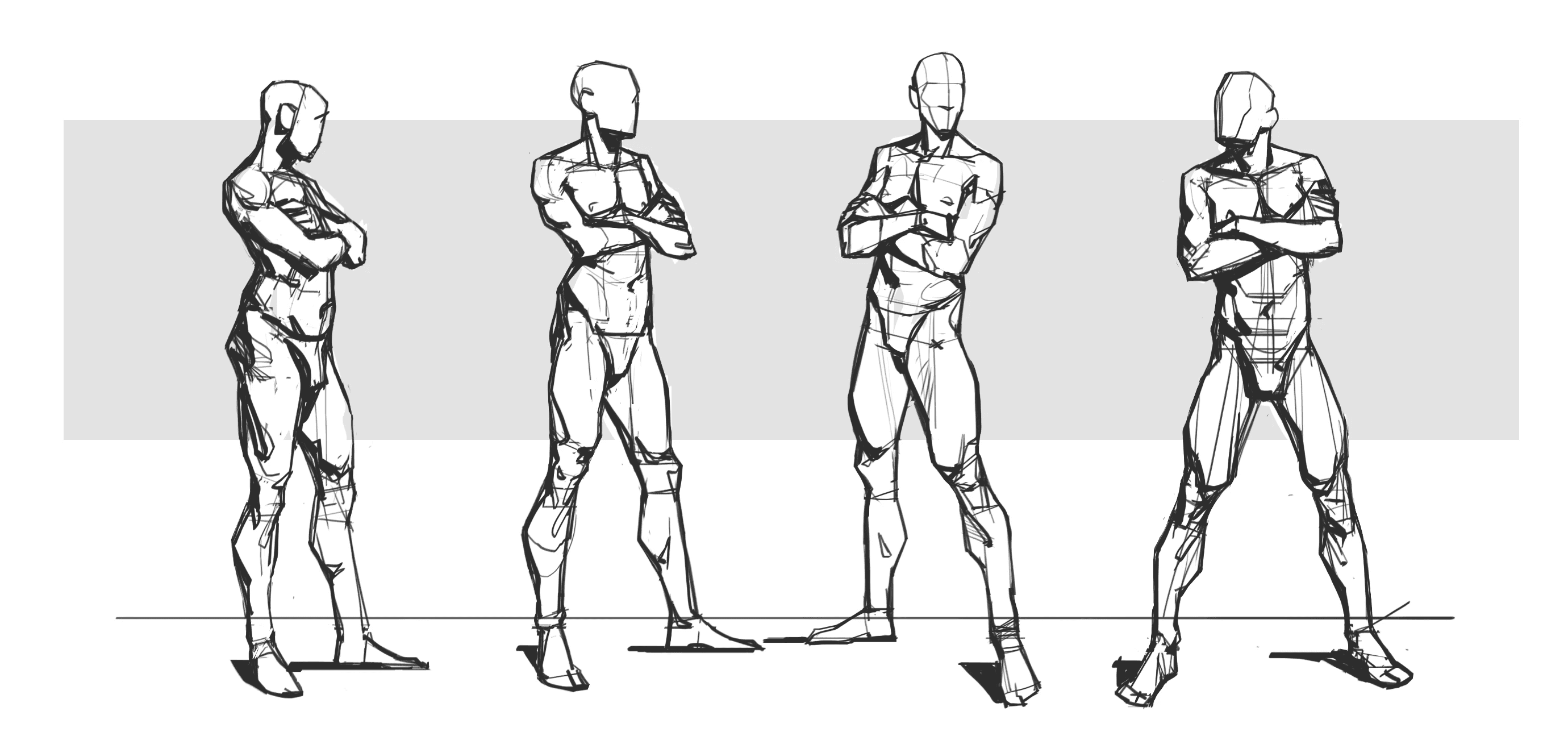
Human figure construction sketches — demonstration by mentor Jonathan Junyent in class at IronBrush Academy.
How many pieces do you need (fewer than you think)
Quality beats quantity. A portfolio of eight to twelve excellent pieces is more convincing than forty average ones. Recruiters look at a portfolio in less than two minutes; each weak piece dilutes the strong ones. A practical rule:
• 3 to 4 pieces in your specialty (characters, environments, or props), with the process included.
• 2 to 3 fundamentals pieces: light, color, anatomy, or composition, showing your technical foundation.
• 1 to 2 personal pieces: they show your style and ability to tell a story of your own.

Character design — work by an IronBrush Academy student.
Mistakes that get you filtered out
Certain patterns make a recruiter dismiss a portfolio in seconds. Avoid them:
• Mixing skill levels: one amazing piece next to five mediocre ones doesn't show versatility; it shows inconsistency.
• Copying photos or fan art without transforming them: it doesn't show design, it shows copying.
• Not showing process: without thumbnails or iterations, the studio can't see how you work.
• An endless portfolio: by the tenth piece, the recruiter has already decided. Less is more.
Order matters: what goes first
The first piece sets the tone for the conversation. Open with your strongest work that best matches the role you're seeking: if you want to be a character artist, the first piece should be a character with a complete design and process. Save experiments for the end. The rule is simple: each piece that follows should sustain the level promised by the first.
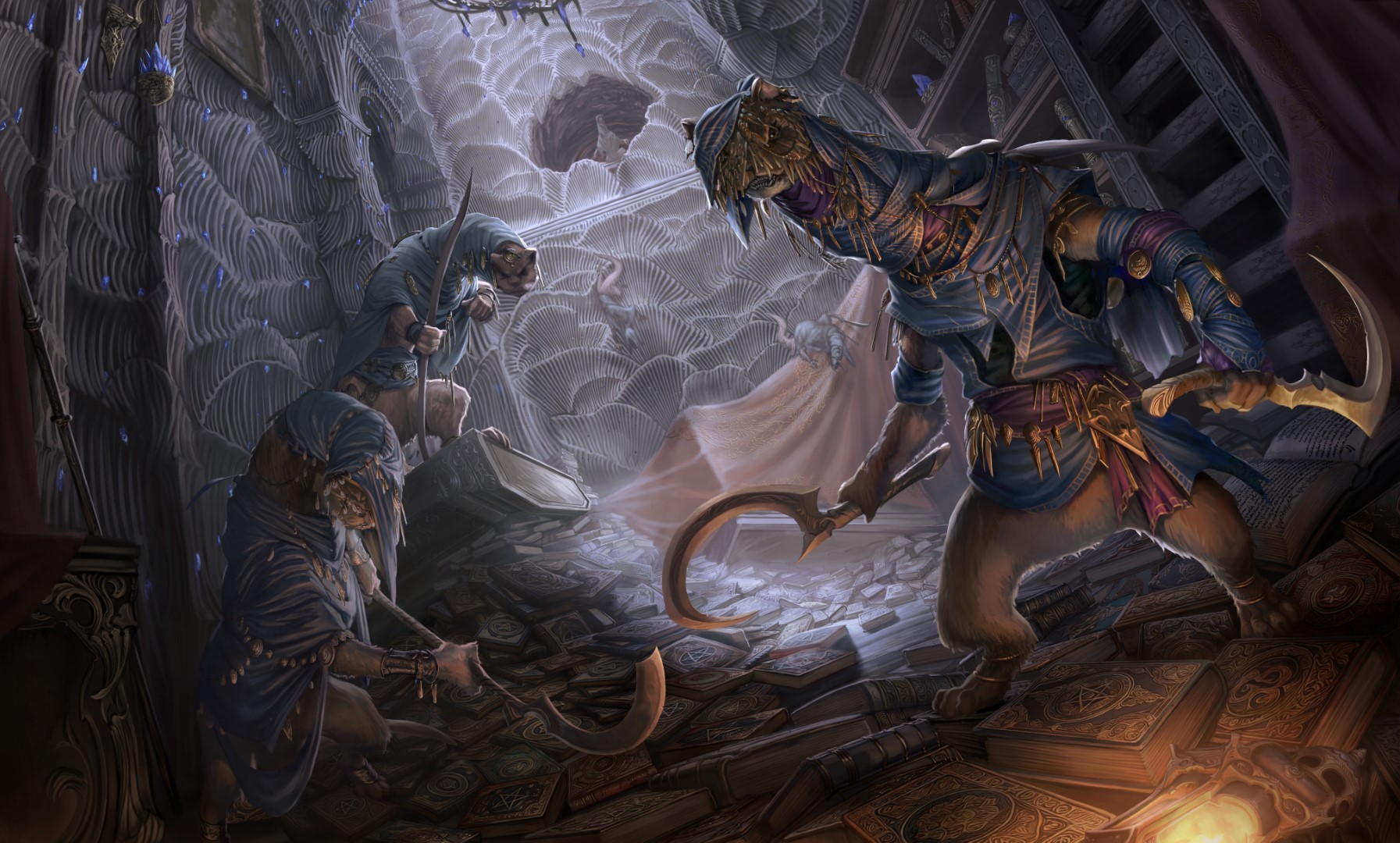
Narrative illustration — work by an IronBrush Academy student.
Building a portfolio takes time, feedback, and several rounds of editing. It's normal for it to hurt to cut pieces that took you weeks. But every piece you remove gives the remaining ones more room to breathe. And if you want personalized guidance on which pieces to include and how to order them for your level and goal, a portfolio mentorship can compress that process from years to months.
Did you find this guide helpful? Take your portfolio to the next level.
TRY A FREE CLASS


