

IronBrush Academy
August 10, 2026
If you're looking for how to get started in concept art, you're probably facing what everyone does at first: you know you want to draw, but you don't know where to begin. There are a thousand tutorials, a thousand programs, and a thousand opinions, and none of them puts the path in order. This is what we wish we'd read on day one: what to study first, what tools to use, how long it takes, and what to expect from the process.

Illustration — work by an IronBrush Academy student.
What concept art is (and what it isn't)
Concept art is the drawing created before a game, film, or animation is produced: it defines what a character, environment, or object will look like before it exists. It's not freeform illustration or fan art: it's design with a purpose, made for a team to use as a reference. Every piece starts with an idea and specific decisions—silhouette, palette, shape—that make it work for its purpose. That's why it's called concept: first you think, then you draw.

Environment design — work by Juan Novelletto, IronBrush Academy student.
The fundamentals behind all drawing
Everything you see in good concept art rests on four things: form, light, color, and perspective. Form builds volume, light makes it readable, color creates atmosphere, and perspective defines space. They sound like a boring class, but they're the only things that matter: style rests on the foundation, never the other way around. Studying fundamentals isn't about learning tricks; it's learning how to see.
• Form: cubes, spheres, and cylinders, and how to combine them to draw anything.
• Light: where it comes from, what it illuminates, and what remains in shadow.
• Color: temperature, harmony, and what each palette communicates.
• Perspective: how lines and planes behave in space.
You don't need to master them before you start drawing: practice them in parallel, every day. Consistency matters more than initial talent.
What you need to get started (less than you think)
Pencil and paper are enough for the first few months. To go digital, an inexpensive tablet and a free program like Krita are enough: expensive equipment won't draw for you. What you do need from day one is a method: practice with a goal, study real references, and get someone to correct your work.
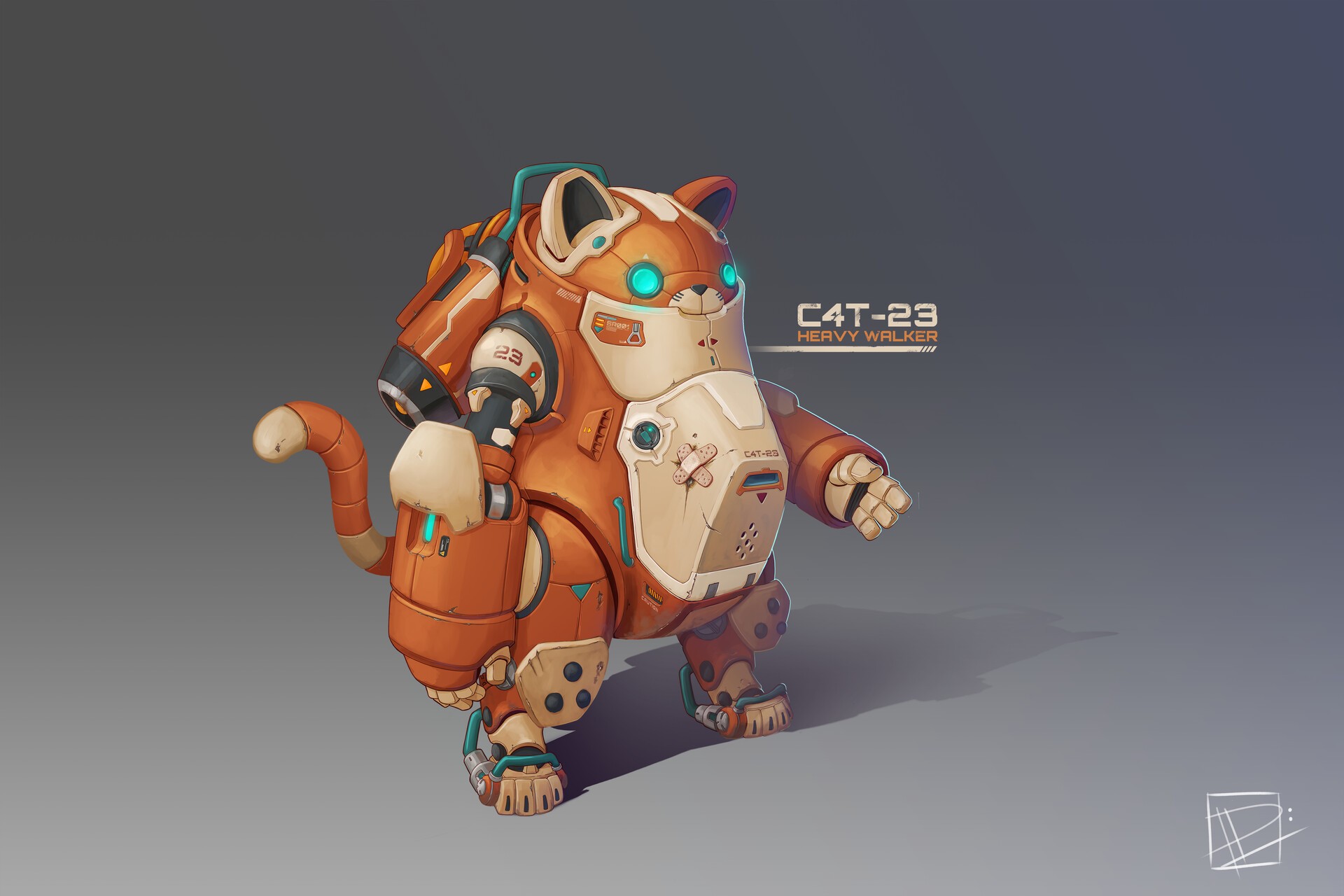
Character design — work by an IronBrush Academy student.
The beginner's most expensive mistake is buying all the equipment before building the habit. The right order is the reverse: habit first, equipment later.
How long it takes (and what nobody tells you)
With daily, structured practice, you'll see a real difference in six months; in two years, you'll be putting together your first portfolio. But you don't shorten the timeline with more tutorials: you shorten it with feedback. A mentor correcting you once a week is worth more than months of practicing blindly while repeating the same mistake.
That's exactly how the free IronBrush class works: you bring your drawing, a mentor with industry experience tells you exactly what to correct, and you leave knowing what to practice.
Frequently asked questions
Do I need to know how to draw before starting? No. You can learn the fundamentals from scratch, and daily practice pays off more than any prior talent.
Which tablet should I get to start? An inexpensive one is enough; what matters is drawing regularly, not the equipment. If you already have pencil and paper, you can start today.
How many hours a day? Twenty or thirty minutes with a method is worth more than two aimless hours. Consistency is the variable that moves everything.
If you want someone to put your path in order, try a free class: choose Fundamentals, bring your latest drawing, and a mentor will tell you where to go next. Book your class and get started today.
Did you find this guide helpful? Take your portfolio to the next level.
TRY A FREE CLASS


